Recording
- Recording
- Expatriate
- Length
- 5 h 49 min
- Language
- English
- Source
- LibriVox
Expatriate · 5 h 49 min
Noh (Nō), or Nogaku—derived from the Sino-Japanese word for "skill" or "talent"—is a major form of classical Japanese musical drama that has been performed since the 14th century. Developed by Kan'ami and his son Zeami, it is the…

No monthly subscription Volunteer narrators may make several recordings of the same work. Compare the narrator and runtime to choose your edition.
Your review helps other listeners choose: every published comment earns 10 points, a rating without text 2, and every “Helpful” you receive 5. Your rank shows next to your name.
Log in to save your private ratings and notes.
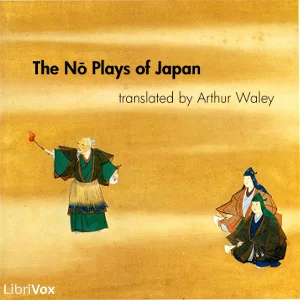
The Nō Plays of Japan
Keep your thoughts about the book. Only you can see your ratings and notes.
Expatriate
Keep your thoughts about the recording. Only you can see your ratings and notes.
Noh (Nō), or Nogaku—derived from the Sino-Japanese word for "skill" or "talent"—is a major form of classical Japanese musical drama that has been performed since the 14th century. Developed by Kan'ami and his son Zeami, it is the oldest major theatre art still regularly performed today. Traditionally, a Noh program includes five Noh plays with comedic kyōgen plays in between, even though an abbreviated program of two Noh plays and one kyōgen piece has become common in Noh presentations today. An okina play may be presented in the very beginning, especially during New Year celebrations, holidays, and other special occasions. Noh is often based on tales from traditional literature with a supernatural being transformed into human form as a hero narrating a story. Noh integrates masks, costumes and various props in a dance-based performance, requiring highly trained actors and musicians. Emotions are primarily conveyed by stylized conventional gestures while the iconic masks represent the roles such as ghosts, women, children, and old people. Written in ancient Japanese, the text "vividly describes the ordinary people of the twelfth to sixteenth centuries." These translations are done by renowned scholar Arthur Waley, a remarkable self-taught master of both Chinese and Japanese, who is often regarded as the most important transmitter of East Asian culture to the West in history. - Summary by Wikipedia (edited by Expatriate)
A selection based on your preferences.
Based on the books and topics that interest you.
Compare the selected recording on LibriVox. Check the access type and terms for each offer.
Compare ways to listenThe selected recording is available on LibriVox for free, without a trial subscription.
View platform termsFree access is available on LibriVox. Compare buying the audiobook with the subscription periods you would need. You can include your existing subscriptions in the comparison.
How we compare access and priceThe selected recording is narrated by Expatriate. The runtime at normal speed is 5 h 49 min. Runtime can vary by narrator, translation and edition. Compare prices for the same recording.
Yes. The selected recording (5 h 49 min) is on LibriVox: free to listen. Check the terms on the platform before you choose.
Compare ways to listenThis recording is in English.
This page compares audiobooks and does not provide a PDF. Look for an authorized digital edition through the publisher, a library or a bookstore.
That depends on the platform and plan. An in-app download is not necessarily an MP3 file. Check offline playback for your device and whether access continues after a subscription ends.